Security
Yemeni tribes pay price for Houthi regional agenda
Houthi militias are exploiting Yemeni tribes and families, dragging them into regional conflicts that serve Iranian interests rather than Yemen.
By Faisal Abu Bakr |
Yemeni tribes and families are paying a devastating price for the Houthi group's aggressive and futile wars.
Their sons are dying in internal clashes or futile external attacks that target civilian infrastructure within Saudi Arabia.
These reckless maneuvers invite massive military intervention, effectively transforming Yemen into a chaotic battleground for foreign agendas.
Mecca alliance initiates military response
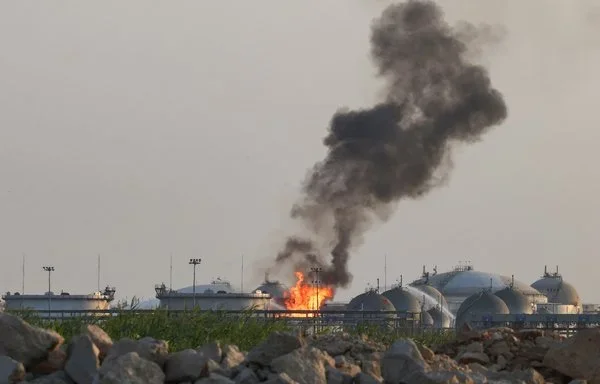
Between October 5 and 8, the Houthis launched coordinated drone and missile strikes against airports in Riyadh and other Saudi cities.
These attacks resulted in tragic fatalities, dozens of injuries and significant destruction of critical civilian facilities and regional infrastructure.
Saudi Arabia successfully intercepted several ballistic missiles, though falling shrapnel still caused substantial damage to residential areas in Riyadh.
In response to this escalating threat, Saudi Arabia, Turkey and Pakistan convened an emergency meeting in Riyadh, on October 5.
They formally agreed to activate collective deterrence measures under the Mecca Defense Alliance signed on August 7, facilitating the rapid deployment of military forces.
Foreign agendas ruin Yemeni lives
Political analyst Wadah al-Jalil warned that Houthi operations outside Yemen carry severe domestic repercussions for the suffering population.
"These actions invite military responses that destroy essential infrastructure, cripple local economic activity and block vital aid delivery," he told Al-Fassel.
The Houthi group claims to defend Yemen, yet their military conduct consistently deepens poverty, destroys institutions and starves families.
These attacks on neighboring Arab nations do not protect Yemen; instead, they exclusively serve the regional interests of the Iranian regime.
"Houthi ties to Tehran have escalated this local conflict internationally," Abaad Center for Studies director Abdul Salam Mohammed told Al-Fassel.
"The Iranian regime's objectives regarding shipping lanes and Saudi oil facilities far exceed the Houthis' original goals within Yemen," he added.
By targeting Saudi Arabia, the Houthis directly endanger the livelihoods of three million Yemenis working there, cutting off crucial support.
This endless escalation has brought the Yemeni people nothing but increased violence, widespread hunger and unchecked, devastating disease.
The Houthis have cynically exploited Yemen's dire economic desperation to recruit tribesmen for conflicts they cannot win.
From the fields of Hajour to the frontlines of Marib, the ceaseless funeral processions reflect the immense losses, analysts note.
Families continue to pay with the blood of their sons in battles that fail to protect their own villages.
Ultimately, the Houthi movement continues to prioritize foreign expansionism while the Yemeni people bear the heavy, tragic costs alone.