Security
Tehran pours millions into Hizbullah war machine
The Islamic republic pours millions into Hizbullah's coffers to rebuild its arsenal, threatening to drag a reluctant Lebanon into another destructive war.
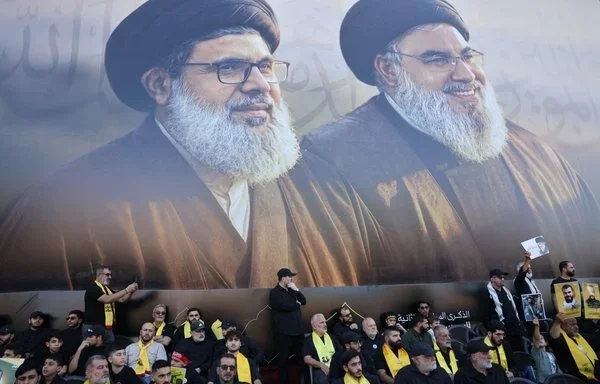
By Nohad Topalian |
Hizbullah has spent three months preparing for a potential resumption of war with Israel following massive financial infusions from Iran.
On October 26, Lebanese security sources informed Reuters that the group remains on high alert, utilizing the lull since June to aggressively rearm its forces.
Hizbullah is prioritizing the acquisition of high-grade explosives and the manufacturing of sophisticated guided drones for future combat operations.
Despite enduring severe losses to their arsenal and thousands of fighters, including key leaders, the group persists in maintaining this aggressive posture.
This strategic repositioning serves the primary interests of the Iranian regime rather than the actual survival of Lebanon.
Reuters reported that Iran provided tens of millions of dollars to bolster military capabilities and assist the group's displaced constituency.
Corrupt networks facilitate illicit funding
The Islamic Revolutionary Guard Corps (IRGC) is actively working to restore the command structures that completely collapsed during recent, major battles.
"Iran has not ceased sending funding to Hizbullah by infiltrating the Lebanese banking and financial system, a process facilitated by Hizbullah’s own corruption," political writer Tony Boulos told Al-Fassel.
This illicit funding facilitates the group’s military expansion while simultaneously supporting the IRGC’s broader, destabilizing agenda across the entire region, he added.
Regional reports suggest Hizbullah is rebuilding its military capabilities for future conflict by establishing new outposts in southern villages that were destroyed during previous fighting.
Recently, security forces intercepted a massive shipment of explosives in Dahr al-Baidar, in the Bekaa Valley intended specifically for Hizbullah’s combat operations.
Hizbullah ignores mounting public opposition
The group continues to disregard Lebanese government directives that strictly mandate the state’s exclusive control over all national military weapons.
This disregard for sovereignty occurs even as the majority of the Lebanese population, including its traditional support base, rejects conflict.
Activists increasingly pressure the party to de-escalate, demanding the state reclaim authority over all decisions affecting national security and safety.
Boulos warned that Hizbullah’s actions threaten to drag Lebanon into another destructive, unwanted war, ignoring the public’s clear, stated wishes.
"The Lebanese public remains entirely opposed to being held hostage by these external, foreign-backed military and strategic interests," he added.