Society
Yemen's invisible explosive threat to civilians
In Yemen, deadly mines and disguised explosive devices are turning ordinary objects and unfamiliar escape routes into invisible threats to civilians.
By Al-Fassel |
Conflict-driven displacement is pushing families across unfamiliar ground, where old paths, empty buildings and roadside debris may conceal deadly explosive hazards.
Since August, roughly 300,000 people have been displaced, with more than half sheltering in Taiz governorate, according to recent assessments.
Fighting, blocked roads and fresh reports of mines make journeys especially dangerous for people fleeing or seeking shelter in search of safety.
The danger hidden in everyday objects
The danger may resemble ordinary rubbish, not a weapon, and devices have reportedly been disguised as rocks, bricks, thermos flasks and bags.
A familiar-looking object beside a road can still be lethal, particularly where fighting has recently occurred or access routes changed.
Mines and unexploded ordnance can remain dangerous long after battles end, while civilians may have no reliable maps identifying contaminated ground.
International Organization for Migration (IOM) recorded 134,100 migrant arrivals in Yemen by September's end, many traveling through areas unfamiliar to them and potentially contaminated.
Recent displacement and migration mean more people are crossing unfamiliar routes without knowing which fields, tracks or buildings are safe.
New mine-laying activity has also been reported along civilian escape routes, including coastal corridors around Bab al-Mandeb and Yemen's West Coast.
How civilians can protect themselves
Do not take shortcuts across fields, abandoned compounds, damaged roadsides or areas where fighting has recently taken place.
Stay on established, commonly used paths, and ask trusted local authorities or humanitarian workers for route guidance before moving.
Never touch, kick, move or approach an unfamiliar object, even when it appears harmless, valuable or familiar.
Warn children not to collect toys, scrap metal or other objects found outdoors, especially near former frontlines.
If you see a suspicious object, stop, keep others away and move back cautiously along the route you used.
Do not attempt to inspect, photograph closely, bury or remove it; notify local authorities or qualified mine-action personnel from safety.
If a route is blocked or marked suspicious, do not cross barriers or follow tracks around them.
Seek updated advice before travel, because safe routes can change as fighting shifts and new contamination is reported.
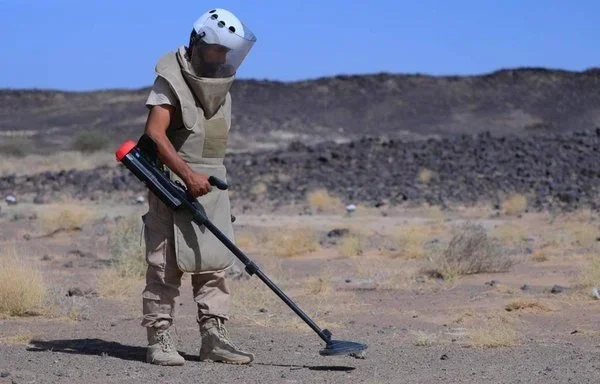
Clearance teams have removed hundreds of thousands of explosive items, but widespread contamination remains a serious civilian danger.
Remember one rule: if you did not put it there, leave it untouched, keep away and tell someone, helping protect your family and neighbors.