Society
Houthi control over telecommunications fuels Yemen's suffering
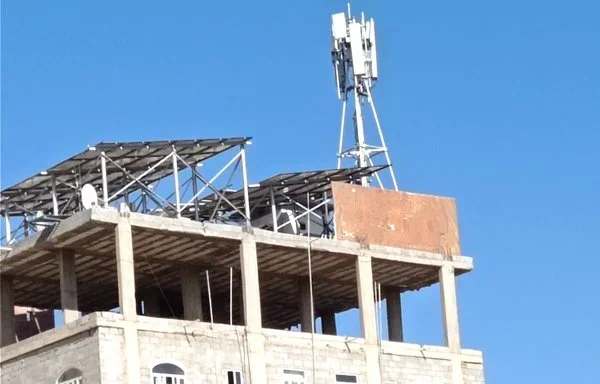
Houthi militias are weaponizing Yemen’s telecommunications sector to fund ongoing military operations while systematically stripping citizens of essential connectivity.
By Faisal Abu Bakr |
The Iran-backed Houthi militia is relentlessly exploiting Yemen’s telecommunications infrastructure, diverting vital revenues to sustain their brutal war effort instead of funding public services.
By transforming civilian networks into tools for military objectives, the group directly threatens population safety and cripples the country’s critical infrastructure.
An October 14 report from the Saudi newspaper Ajel confirmed that the Yemeni government accuses Houthis of dragging communication networks into the ongoing conflict.
This systematic interference not only fuels regional instability but fundamentally violates the rights of millions of desperate Yemeni civilians.
Weaponizing infrastructure for military gains
The Yemeni Ministry of Telecommunications explicitly condemned the militias for cutting off internet services in Taiz, labeling it a targeted assault on civilians.
Officials warn that these deliberate outages aim to conceal human rights violations while effectively depriving the populace of their right to communicate.
Digital security expert Fahmi al-Baheth emphasizes that this sector currently represents one of the largest income streams in Houthi-held territories.
In its final 2025 report, the United Nations panel of experts documented how the group maintains total control over these lucrative assets.
A significant portion of this generated revenue is funneled directly into financing the group's relentless military and terrorist activities.
Beyond funding, the militias routinely exploit these companies to disseminate propaganda, including millions of automated messages designed to solicit illegal war donations.
"International humanitarian law strictly protects civilian infrastructure, yet the Houthis consistently disregard these fundamental global norms," al-Baheth told Al-Fassel.
Using civilian networks for military operations strips them of protected status, providing dangerous pretexts for direct retaliatory targeting, he noted.
This reckless conduct mirrors standard tactics of terrorist organizations, which demonstrate zero concern for protecting national assets or innocent human lives.
Surveillance tools enforce digital isolation
The Houthis exercise absolute control over Yemen's internet gateway, allowing them to monitor private communications, restrict information flow, and impose their ideology.
Since seizing Sanaa, the group has installed loyalists at the helm of internet infrastructure to dictate what information citizens can access.
They have rapidly expanded their surveillance capabilities, employing advanced deep packet inspection technologies to track the movements and communications of individuals.
"When a single party controls the international gateway, it gains the power to dictate what people see," al-Baheth explained.
This unprecedented surveillance capability isolates Yemeni society, preventing access to essential services and violating basic privacy rights for millions.
Moreover, this stifling digital grip suppresses critical reports of Houthi abuses, particularly along active frontlines in regions like Taiz.
By ensuring the total silence of the population, the group attempts to force an exclusive, false narrative upon a captive nation.