Economy
US operations successfully combat illegal exports to Iran
The United States is dismantling complex smuggling networks that use third-country routes to bypass sanctions and fund the Iranian regime.
By Al-Fassel |
The United States is aggressively dismantling complex global smuggling networks that bypass sanctions to funnel restricted technology into the Iranian regime.
These illicit networks frequently use third-country routing, particularly through China, Turkey and the United Arab Emirates (UAE) to obscure the final destination of goods.
Investigators now treat this deceptive transshipment as a core violation, even when false documents claim a legitimate, non-sanctioned final buyer.
Blocking illegal tech smuggling routes
The Department of Justice (DOJ) and the Department of Commerce integrate specialized export-control intelligence with traditional criminal investigative authorities to systematically dismantle illicit smuggling networks.
This interagency integration makes it increasingly difficult for procurement rings to compartmentalize their shipping, payment, and corporate cover activities effectively.
By converting discrepancies in export declarations and invoices into prosecutable evidence, officials effectively transform paperwork into strong, actionable criminal cases.
The sentencing of Iranian citizen Reza Dindar on September 25 demonstrates that creating a "China destination" narrative does not shield procurement agents from prosecution.
Dindar operated a Chinese firm that fraudulently purchased sensitive military sonar parts from Washington, falsely declaring a Chinese destination to conceal their true Iranian transshipment.
Targeting financial assets and forfeiture
The United States increasingly targets domestic facilitators who procure controlled goods, ensuring they face substantial custodial penalties for their illegal actions.
International law enforcement cooperation ensures that time, distance and residence outside American borders no longer defeat significant federal prosecution efforts.
Preventative tools like the Commerce Department’s Entity List proactively impose strict license requirements on foreign entities identified as high-diversion risks.
Beyond arrests, officials complete thousands of end-use checks globally to identify shell companies and alert financial institutions to dangerous partners.
Federal authorities also aggressively follow payment trails to permanently forfeit millions in proceeds connected to illicit Iranian petroleum and trade.
Recent actions include seizing millions in cryptocurrency tied to oil sales, denying Iranian networks revenue after their cargo is sold.
On September 14, the Department of Justice sought to forfeit $61 million in cryptocurrency tied to illicit black-market sales of sanctioned Iranian petroleum products.
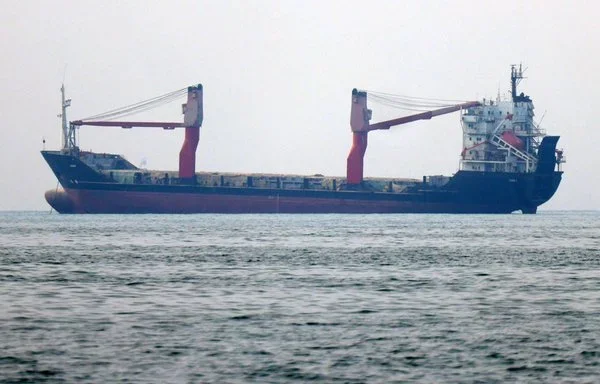
These operations specifically target the maritime shadow fleet, which disguises the origin of oil through ship-to-ship transfers and documentation fraud.
By hitting vessel owners, managers and storage terminals, the US government significantly increases the commercial risk of moving sanctioned Iranian products.