Diplomacy
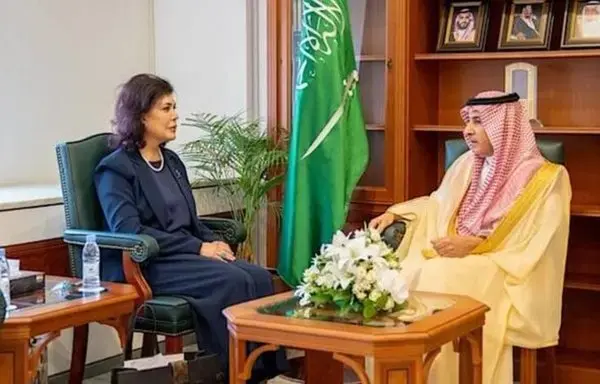
Saudi Ministry of Foreign Affairs summoned the Iraqi Ambassador
Iran-backed militia groups are turning Iraq into a launchpad for cross-border drone strikes. The Iraqi government can no longer afford to look the other way.
By Al-Fassel |
On April 12, Saudi Arabia's Ministry of Foreign Affairs summoned Iraqi Ambassador Safia Taleb al-Suhail over continued drone attacks and threats originating from Iraqi territory.
The move signaled that Baghdad's failure to control Iran-Aligned Militia Groups (IAMGs) undermines Iraq's credibility as a regional partner.
The scale of the threat demands urgent attention, as intelligence cited by The Wall Street Journal highlights a significant escalation in regional security risks.
Nearly half of the 1,000 drone attacks since February 28 are reported to have originated from Iraqi territory, raising serious concerns about accountability.
These attacks were carried out by IAMGs, highlighting a coordinated and persistent security challenge rather than isolated incidents by independent or rogue actors.
Saudi Arabia is not alone in its concern, as Kuwait and Bahrain also summoned Iraqi envoys in a coordinated diplomatic response to escalating security threats.
This collective action transformed what were once treated as isolated incidents into a unified front by the Gulf Cooperation Council.
Saud Al-Sati emphasized that Iraq must act responsibly to address escalating threats and reaffirmed the Kingdom's categorical rejection of violations of sovereignty or regional destabilization.
Washington echoed this position, as Christopher Landau summoned Iraq's ambassador to condemn strikes on US diplomatic facilities carried out by IAMGs.
Iraq now faces a defining moment, as the international community watches closely and expects decisive action to restore credibility and regional stability.
Analysts urge that Baghdad must choose between asserting sovereignty or risking isolation from its closest allies.
This immoral minister does not represent Iraq.