Security
Saudi Arabia bolsters defenses against persistent Houthi threats
Riyadh is aggressively fortifying vital infrastructure against Houthi aggression while securing robust international support to restore legitimate Yemeni governance stability.
By Samah Abdul-Fattah |
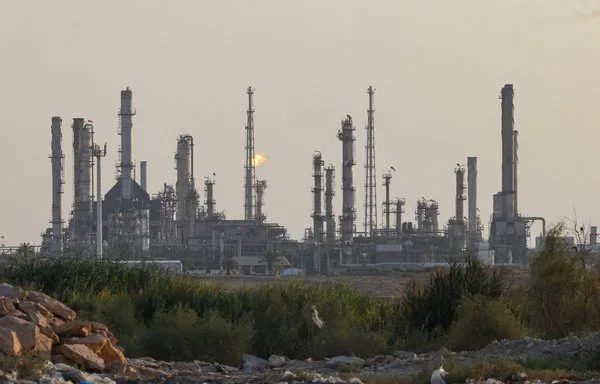
Saudi Arabia is strategically enhancing its defensive capabilities to shield vital civilian and economic infrastructure from ongoing Houthi aggression.
The Kingdom seeks to eliminate these persistent threats while restoring the authority of Yemen’s internationally recognized government across territory.
Protecting this essential infrastructure ensures the stability of global markets and provides much-needed reassurance to civilians living within the kingdom.
"The current confrontation with the Houthi group involves two critical dimensions," political analyst Abdul Nabi Bakkar told Al-Fassel.
"First, there is the immediate military engagement focused on countering frequent missile and drone attacks from the militia. Second, there is a vital regional and international political battle to affirm the inherent right to self-defense today," he explained.
This political dimension has successfully garnered widespread backing, evidenced by the activation of alliances like the strategic "Mecca Defense Alliance."
This coalition, including Saudi Arabia, Pakistan and Turkey, functions as a powerful mutual defense pact against various regional threats.
Combating terrorist group threats globally
Bakkar noted that such broad international support stems from the reality that Riyadh is waging war against terrorism.
The primary goal is to neutralize the grave danger posed to Saudi citizens and the Yemeni people themselves effectively.
Furthermore, Saudi support for the Yemeni government is rooted in its status as the legitimate representative of the people.
Houthi attacks have increasingly targeted petroleum facilities, economic centers and residential areas, consistently crossing dangerous international "red lines" recently.
Military expert Yahya Mohammed Alii argued that viewing this war as a mere bilateral conflict is a significant error.
"It is actually a regional war threatening global economic stability by disrupting critical international shipping lanes and commercial vessels and oil tankers," he told Al-Fassel.
The economic damage caused by these reckless operations harms the entire global trade network, necessitating a unified international, strong response.
Denying claims and rallying support
The Houthi group recently attempted to obfuscate its actions by suggesting it received financial offers to end hostilities.
The Kingdom has categorically denied these allegations published in the Wall Street Journal, reinforcing its firm stance against recognizing the militia as a legitimate authority.
On November 5, Saudi Assistant Minister Rayed Krimly dismissed those reports as a "figment of the writers' imagination" and sources.
Observers note that Saudi Arabia is not only countering missile strikes but also rallying nations to provide essential assistance.
Simultaneously, the Kingdom is significantly strengthening its own advanced defensive systems to protect critical infrastructure from future aerial assaults.
"This support ranges from direct military aid to indirect counsel and intelligence, including conducting vital joint training exercises," Ali added.
Ultimately, this confrontation will conclude only when the Houthi threat is eliminated, allowing legitimate governance to restore peace and security.