Society
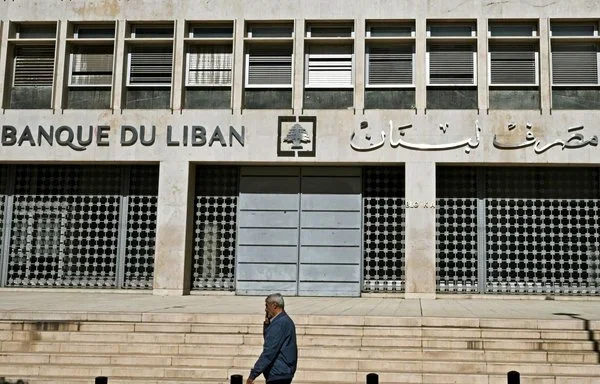
Shadow bank thrived while ordinary Lebanon citizens went broke
As Lebanese lost their savings, a shadow banking empire accumulated gold and moved millions, raising questions about who profited from the nation's economic collapse.
By Al-Fassel |
As Lebanon's financial system collapsed, ordinary citizens lost access to savings while Hizbullah maintained an extensive parallel financial network.
At its center stood Al-Qard Al-Hasan (AQAH), an institution presenting itself as a charitable lender providing interest-free loans.
Registered as a nonprofit association, AQAH nevertheless developed financial operations resembling those of conventional banks, without equivalent regulatory oversight.
Its activities raise fundamental questions about transparency, accountability and the distribution of financial resources during Lebanon's economic crisis.
Gold, dollars and the charity question
US Treasury investigations have documented financial transactions involving AQAH officials and Lebanese commercial banks.
In June 2026, Treasury reported that several senior officials maintained joint accounts facilitating more than $500 million in transactions over approximately a decade.
These arrangements allowed Hizbullah-linked financial networks to circumvent sanctions and maintain access to banking services.
Treasury also identified extensive gold-related operations connected to the association. One senior AQAH official reportedly supervised purchases exceeding 1,000 ounces of gold by July 2024.
In February 2026, Washington sanctioned Jood SARL, describing it as a gold exchange company operating under AQAH supervision.
Treasury alleged that Jood helped convert Hizbullah's gold reserves into usable funds supporting the organization's financial operations.
These findings raise questions about whether an institution publicly associated with charitable lending also served broader organizational and military financing requirements.
Ordinary customers, meanwhile, depended on AQAH for access to credit unavailable through Lebanon's collapsing banking sector.
A Washington Post investigation documented customers pledging family jewelry as collateral for interest-free loans.
One longtime customer subsequently reported suspended repayments and uncertainty about recovering her family's gold during wartime.
Accountability and Lebanon's economic recovery
Lebanon's Central Bank prohibited licensed financial institutions from conducting direct or indirect transactions with AQAH in July 2025.
The restrictions included potential account freezes, administrative penalties and referrals to financial investigators.
In June 2026, Justice Minister Adel Nassar referred AQAH's activities to Lebanon's public prosecutor.
However, Lebanese investigators reported in September that no publicly confirmed formal investigation had emerged.
Meanwhile, Lebanon's broader financial collapse devastated depositors and weakened government revenue collection.
The International Monetary Fund documented substantial customs and VAT losses resulting from exchange-rate distortions.
Lebanon needs independent investigations, transparent financial records and consistent enforcement against politically connected institutions.
Restoring public confidence requires protecting customer collateral, investigating suspicious transactions and bringing financial intermediaries under effective regulatory supervision.
Lebanese citizens deserve institutions that serve the public rather than operating beyond meaningful accountability.