Security
Iraq seals Iranian border crossing to halt smuggling
Iraq has closed a major border crossing with Iran to implement advanced security upgrades, aiming to dismantle militia-led smuggling networks.
By Anas al-Bar |
Baghdad is currently conducting comprehensive security assessments of all national border crossings, specifically targeting volatile transit points with Iran.
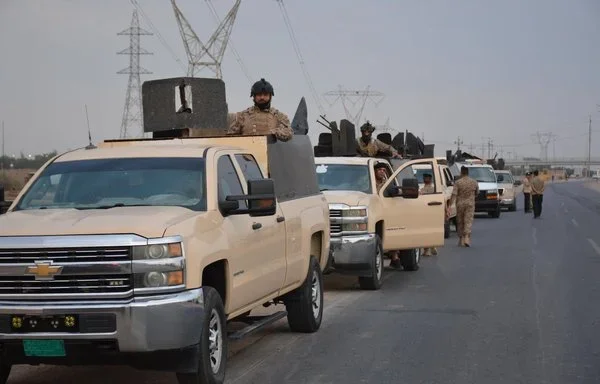
On October 21, Iraqi authorities shuttered the al-Shib crossing in Maysan province, effectively halting the movement of all goods and individuals.
Government spokesperson Haider al-Aboudi stated the closure was essential to reorganize operations and rectify critical technical and infrastructure deficiencies.
This assessment encompasses rigorous reviews of existing security protocols, technological systems and inspection procedures used for vetting incoming cargo trucks.
Curbing illicit trade and smuggling
The government plans to install integrated, advanced technical systems to strengthen oversight and enhance the detection of prohibited items.
This upgrade includes high-resolution sonar scanners for shipping containers and cargo, paired with sensors that automatically identify hazardous material shipments.
Officials will also deploy smart cameras utilizing license plate recognition and biometric facial software to verify identities against security databases.
Technicians will ensure the system functions without interruption, creating an impenetrable digital wall against those seeking to circumvent state authority.
These infrastructure improvements are part of a broader national reform plan to modernize all 24 official Iraqi border crossings.
The initiative places particular priority on the seven land crossings shared with Iran, which represents Iraq's longest international border.
Alongside the Syrian frontier, this border holds immense strategic significance for curbing the systemic smuggling of funds and lethal weapons.
Iran-linked armed groups previously exploited the Syrian border for their operations, but they pivoted to Iran after security measures tightened.
They frequently weaponize the immense length of this border and weak oversight mechanisms to facilitate their illicit regional agendas.
The Iraqi government understands that porous borders serve as a conduit for the destabilization efforts orchestrated by foreign political actors.
Ghazi Faisal Hussein, director of the Iraqi Center for Strategic Studies, noted that modernizing oversight is a vital necessity.
"Strengthening border security is a mandatory step to prevent threats that directly compromise Iraq’s sovereignty and regional stability," he told Al-Fassel.
Stopping hostile attacks on neighbors
Following the September 10 drone strike launched from Maysan against a Saudi pipeline, Iraqi authorities raised readiness levels to prevent further militia aggression.
Hussein argued that new arrangements aim to halt the flow of Iranian missiles and drones destined for these loyalist groups.
"These weapons are ultimately used in cross-border attacks that serve Iranian interests while endangering the security of our neighbors," Hussein added.
By securing the border, Baghdad effectively strangles militias financially, preventing the smuggling of corruption proceeds and illicit drug trafficking wealth.
Through these decisive actions, Iraq seeks to restore its national security and protect the region from foreign-backed militia interference.