Security
Escalating Houthi aggression devastates Yemen’s healthcare system
Persistent military conflict and Houthi violence are pushing Yemeni hospitals to the brink, forcing impossible choices regarding patient survival and care.
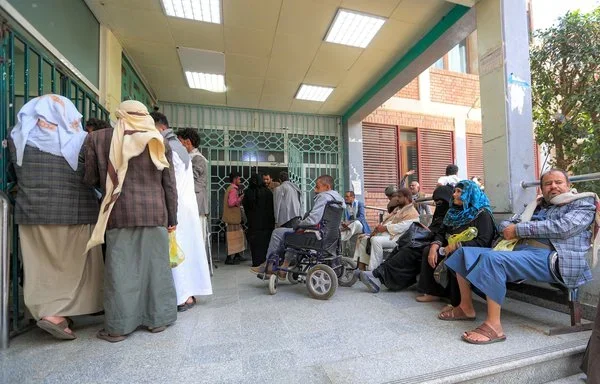
By Faisal Abu Bakr |
Persistent violence from Houthi forces is severely straining Yemeni hospitals, forcing medical staff to make truly impossible, tragic choices.
These facilities now struggle to balance treating combat casualties against providing essential care for mothers, children and regular patients.
This compounding, brutal crisis fundamentally deprives the vulnerable Yemeni population of their basic right to receive necessary medical treatment daily.
International observers note that this situation is a direct consequence of the ongoing military escalation by the Houthi group.
Frontline medical facilities under siege
The International Committee of the Red Cross reports that hospitals near frontlines, specifically Marib and Taiz, face unprecedented casualty numbers.
Some facilities have admitted over 700 weapon-wounded patients within a single week, leaving their capacity completely and dangerously depleted.
Simultaneously, the World Food Program (WFP) said on October 14, that intensified fighting along multiple fronts had cut off vital aid to 800,000 people.
Local medical workers indicate that these front-line facilities are now operating far beyond their intended capacity, risking total systemic failure.
"Houthi forces bear direct responsibility for this violent, ongoing escalation," Yemeni Deputy Minister of Health Dr. Abdul-Raqib al-Haidari told Al-Fassel.
"Every fresh attack leaves battlefield victims while placing immense, crushing burdens on already exhausted medical facilities," he added.
Protecting civilian access to healthcare remains an absolute humanitarian obligation that must not be compromised under any circumstances.
Choosing between lives and death
The crisis extends far beyond wounded arrivals; it impacts thousands requiring ongoing care as capacity for critical services declines.
This degradation severely limits the availability of safe childbirth services, pediatric monitoring and vital treatments for patients with chronic illnesses.
Fahmi al-Zubairi, Director General of the Human Rights Office in Sanaa, warned against the dangerous point where doctors must choose between different patients.
"This is not merely a resource crisis but a direct, malicious threat to the fundamental right to life," he told Al-Fassel.
The continued obstruction of medical supplies ensures that this conflict creates dire, long-lasting consequences for the entire civilian population.
Collapse of vital medical services
Hospitals in Taiz, Marib and the West Coast suffer mounting pressure, severe staff shortages and chronic medical supply deficits.
Al-Haidari warned that any further casualty increases or supply route disruptions could cause vital emergency services to collapse.
Specifically, this could destroy access to urgent surgery, intensive care units, dialysis treatments and essential neonatal care for infants.
The nation desperately needs protected, well-resourced hospitals rather than new, destructive rounds of violence that exacerbate widespread civilian suffering.
Medics warn that prolonging these military activities will eventually deplete the entire healthcare sector, leading to permanent humanitarian consequences.